
Propane energy has emerged as a popular choice for both residential and commercial users, providing an efficient alternative to conventional electricity and other fuels. As we continue to seek sustainable and reliable energy sources within our modern world, it's essential to consider both the advantages and disadvantages of propane to make the most informed and responsible long-term decisions.
Evaluating the Environmental Impact
One of the primary advantages of propane energy is its environmental benefits. Propane is considered a clean-burning fuel, meaning it has a lower impact on air quality than other fossil fuels. According to the Iowa Propane Education & Research Council, houses fueled by propane typically decrease their carbon dioxide output by approximately 30% when measured against residences that rely solely on electricity. This significant reduction in emissions makes propane an excellent choice for those looking to minimize their carbon footprint.
Maximizing Operational Efficiency
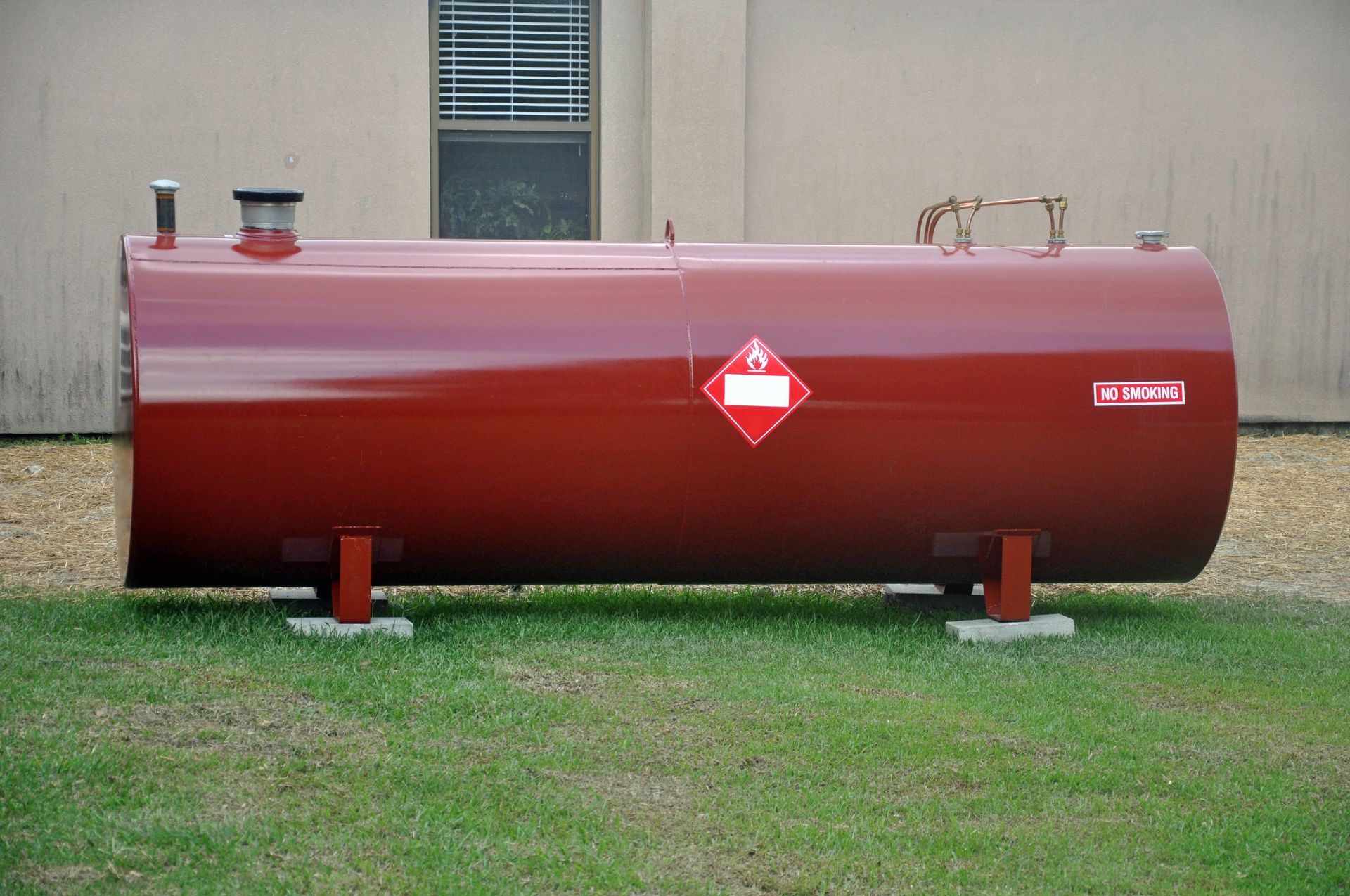
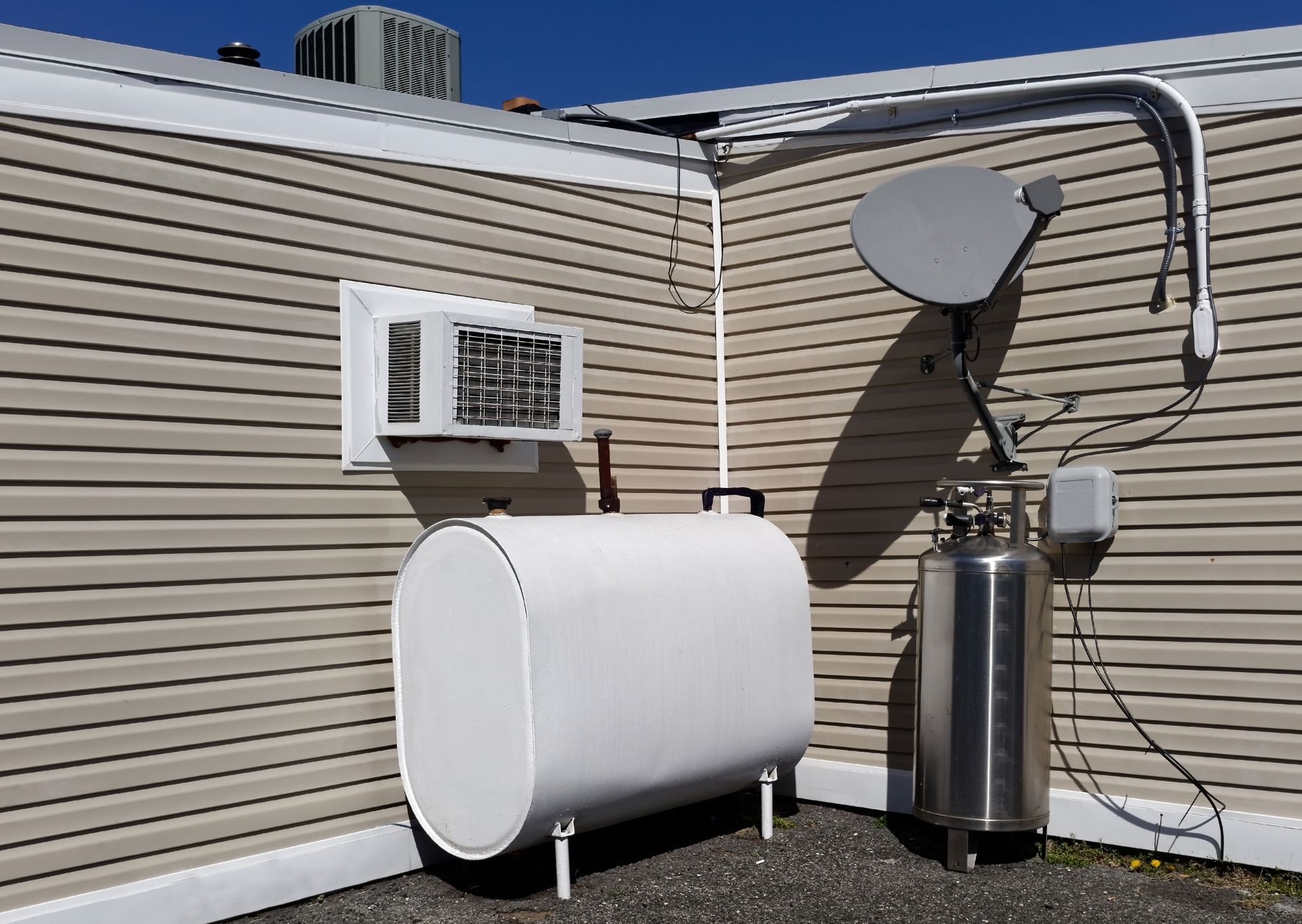
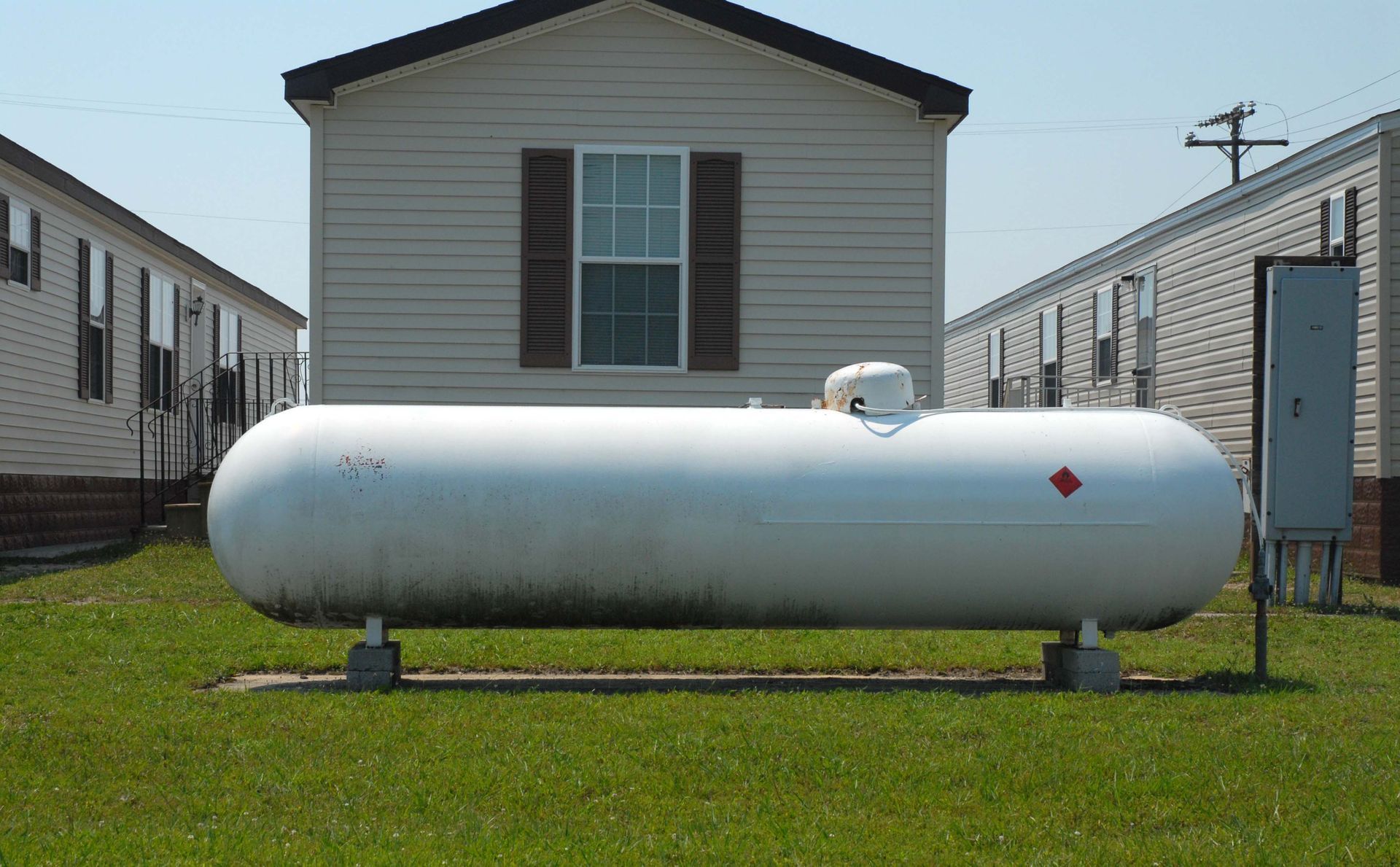
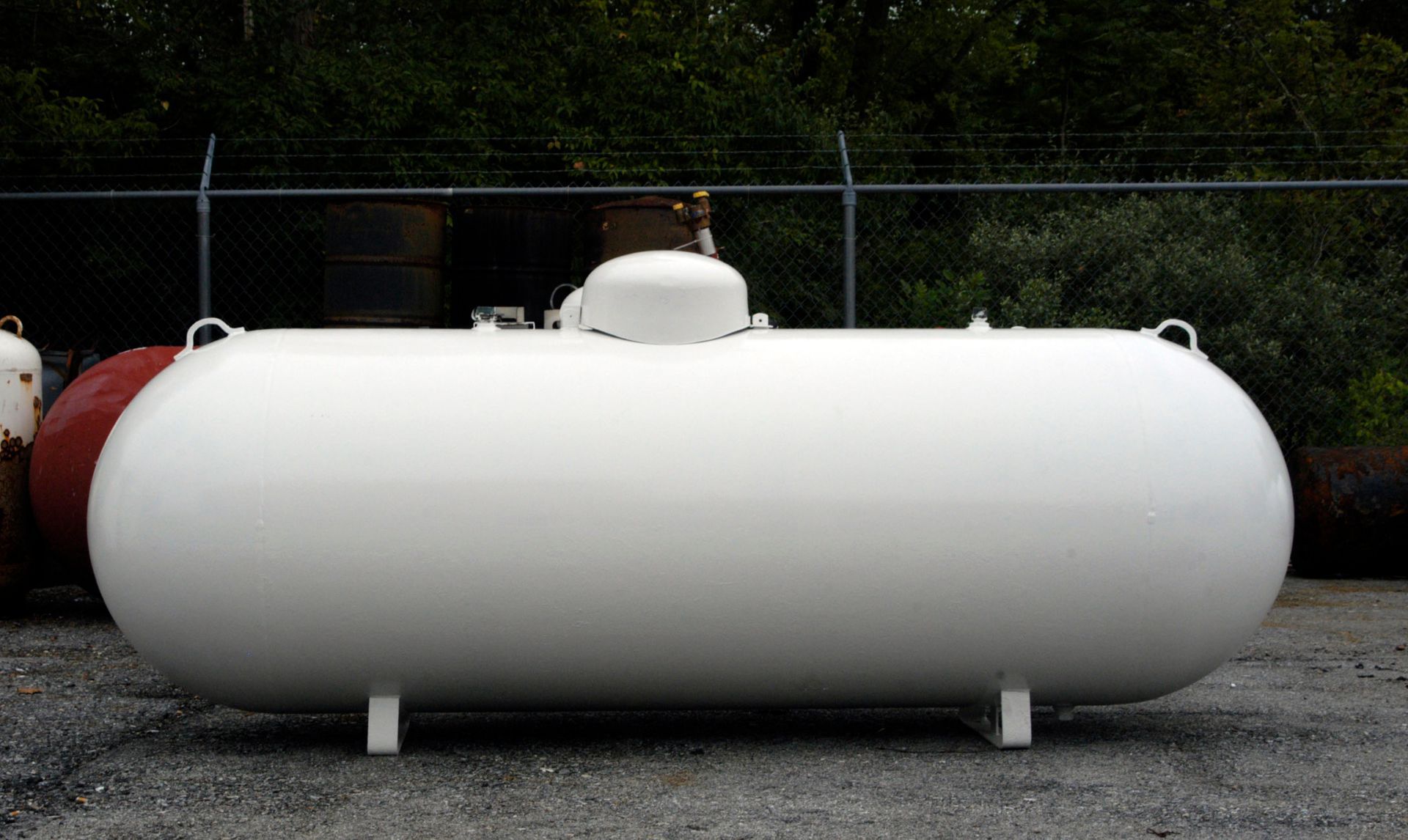
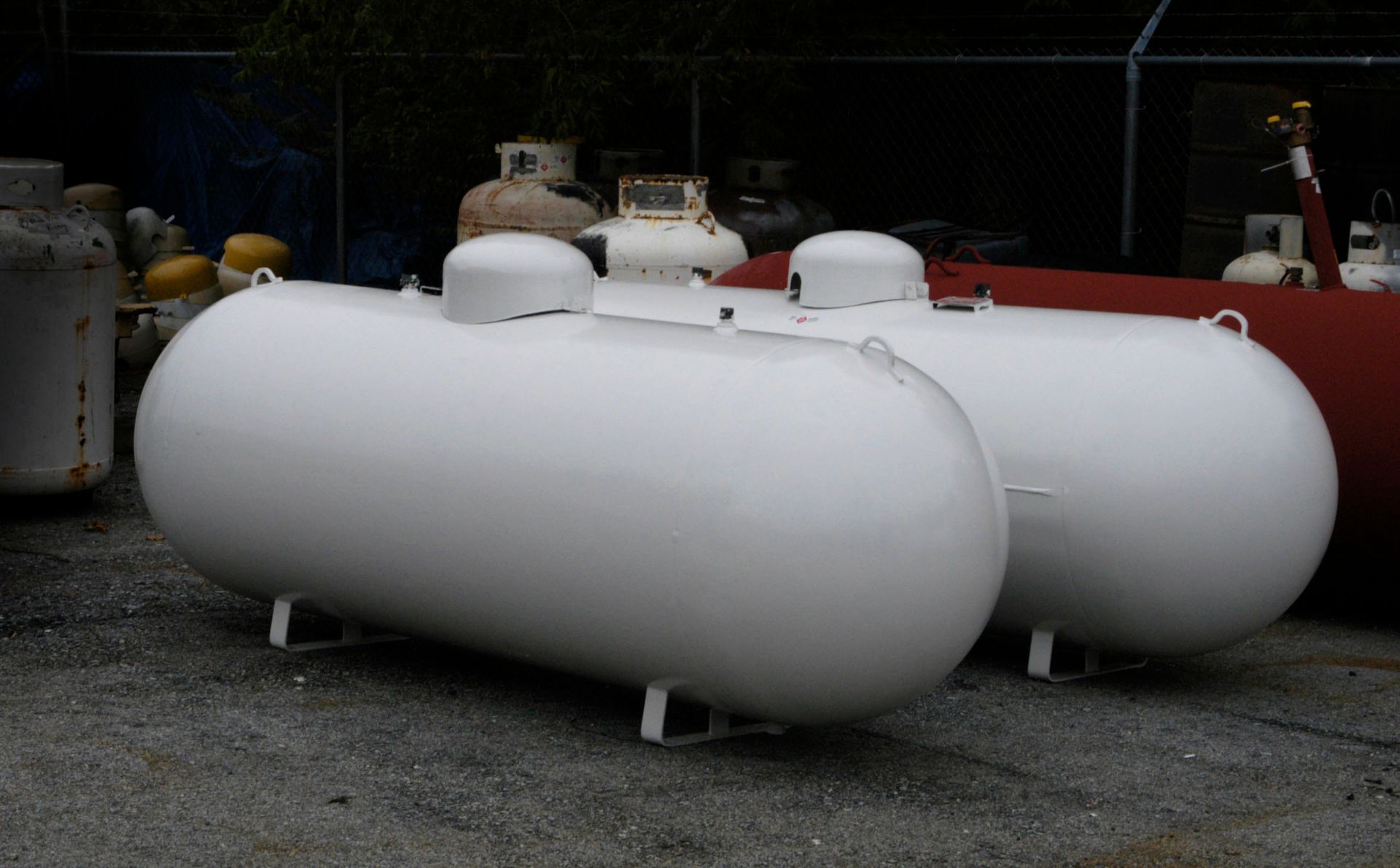
Propane energy is also known for its efficiency and versatility. It's used for a wide range of applications, including heating, cooking, and powering appliances. Propane systems can provide consistent and efficient performance even in extreme weather conditions, making it a reliable choice for those in remote or rural areas. Moreover, because propane is stored in a tank on your property, it offers independence from the grid, ensuring a continuous energy supply even during power outages.
Navigating Potential Drawbacks
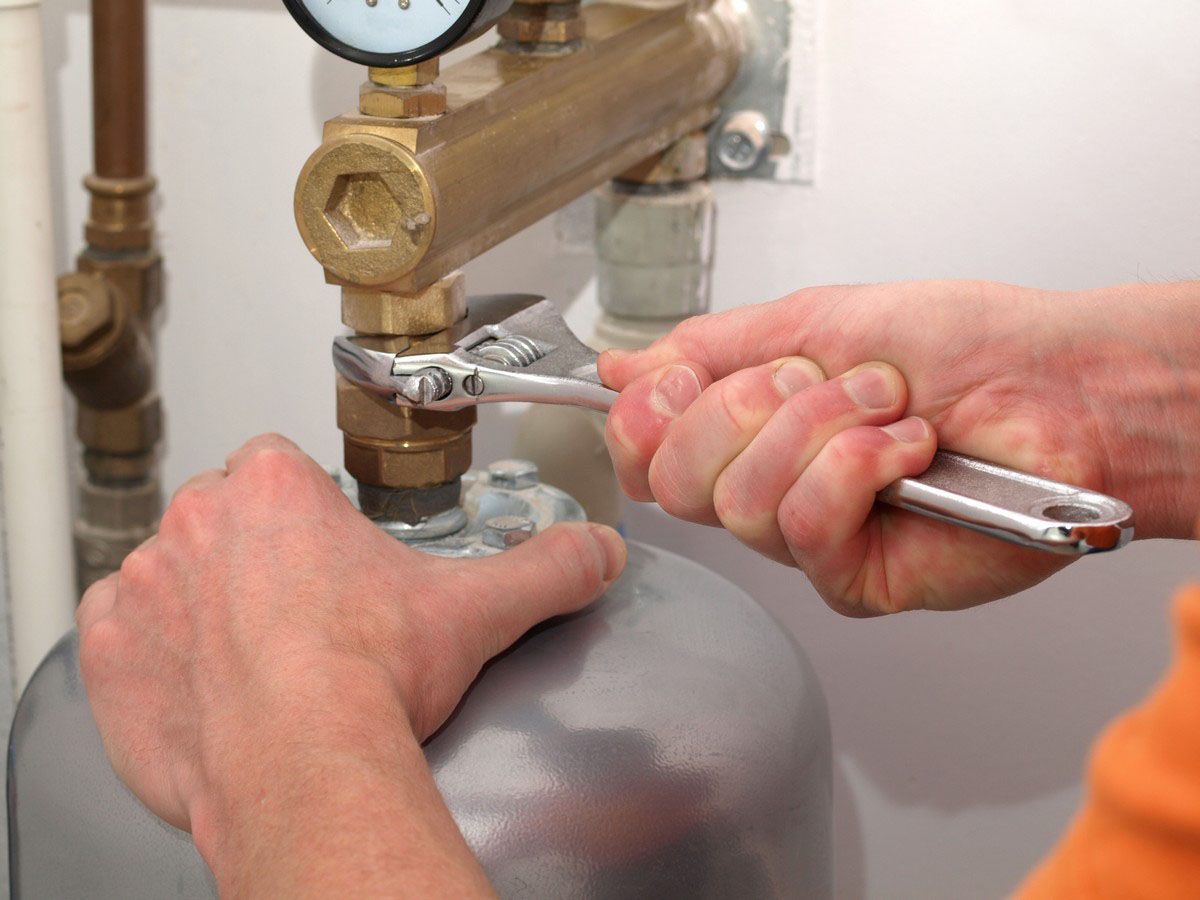
Despite its advantages, propane energy does have its drawbacks. One of the main concerns is the initial cost of installation, as propane systems and appliances can be more expensive compared to their electric counterparts. Additionally, because propane is a fossil fuel, it's subject to market volatility, which can lead to fluctuating prices. Users must also be cautious about the storage and handling of propane, as it's a flammable substance that requires proper safety measures and maintenance.
Propane energy presents both benefits and challenges. Its lower emissions and efficiency make it an appealing option for environmentally conscious consumers, while its reliability is a plus for those seeking energy independence. However, potential users must weigh these advantages against the initial setup costs and safety considerations. By understanding these pros and cons, individuals can make informed decisions about whether propane energy is the right choice for their needs. To ensure your home is equipped with the most reliable and efficient energy solutions, contact the experts at Lettermen's Propane today.
Share On: