
Propane serves as a reliable, highly versatile fuel source for millions of households, powering heating systems, water heaters, and kitchen appliances efficiently. While many homeowners appreciate its cost-effectiveness, questions regarding residential safety frequently arise during fuel selection discussions. Modern propane infrastructure adheres to strict national safety codes, utilizing advanced storage tanks, leak detection technologies, and automated shutoff valves to mitigate environmental risks. Understanding proper handling procedures, regular equipment maintenance, and professional installation standards allows families to enjoy clean energy without compromising domestic security. Evaluating key safety protocols confirms that propane remains an exceptionally safe, highly dependable energy option for modern residential properties today.
Evaluating Modern Safety Standards for Residential Fuel
Strict regulatory standards govern residential energy systems, ensuring that fuel storage and delivery components operate with high safety levels. National safety codes dictate exact installation protocols for subterranean tanks, pressure regulators, and indoor gas piping networks across residential neighborhoods. Professional utility technicians conduct comprehensive system inspections before establishing service connections, verifying that all appliances comply with local building regulations. Partnering with certified propane services ensures that storage equipment receives regular pressure tests and professional safety audits over time. Strict regulatory compliance combined with professional installation minimizes risk factors, providing homeowners with complete peace of mind while running high-efficiency clean energy configurations.
Examining Heating Efficiency and Environmental Benefits
Homeowners seeking cost-effective heating solutions frequently compare alternative energy sources based on operational efficiency and overall environmental impact metrics. Propane burns cleanly, producing significantly lower carbon emissions than heating oil or coal-generated electricity across domestic applications. According to This Old House, modern propane furnaces can achieve efficiency ratings of up to 98%. High-efficiency heating systems maximize fuel utilization, lowering monthly utility expenses while reducing residential carbon footprints substantially. Selecting certified energy equipment ensures stable indoor comfort during extreme winter weather without stressing household budgets or introducing unnecessary environmental hazards into surrounding neighborhood ecosystems.
Understanding Odorant Detection and Leak Prevention
Propane in its natural state is an odorless, colorless gas, making leak detection challenging without specialized additives added during production. Manufacturers intentionally infuse ethyl mercaptan, a non-toxic chemical agent, into the gas supply to create a distinct, rotten-egg odor. This strong smell alerts residents instantly to potential fuel leaks, allowing household members to evacuate safely and contact emergency responders. Utilizing qualified propane services guarantees that home gas lines receive accurate leak-check procedures following any service interruption or equipment modification. Prompt leak detection mechanisms empower families to address gas line vulnerabilities immediately, preventing dangerous gas accumulations indoors.
Installing Carbon Monoxide Detectors for Household Protection
Incomplete fuel combustion in unvented or poorly maintained heating units can generate dangerous carbon monoxide gas within enclosed residential spaces. Installing carbon monoxide detectors near sleeping areas and fuel-burning appliances provides vital early warnings against invisible indoor air hazards. Homeowners should test alarm units monthly, replace batteries regularly, and replace aging detector units according to manufacturer instructions. Scheduling annual equipment tune-ups through professional propane services ensures that burners, heat exchangers, and exhaust flues remain free of soot or blockage. Maintaining clean combustion pathways prevents hazardous gas accumulation, ensuring indoor air quality remains safe throughout winter heating periods.
Managing Storage Tank Placement With Safety Protocols
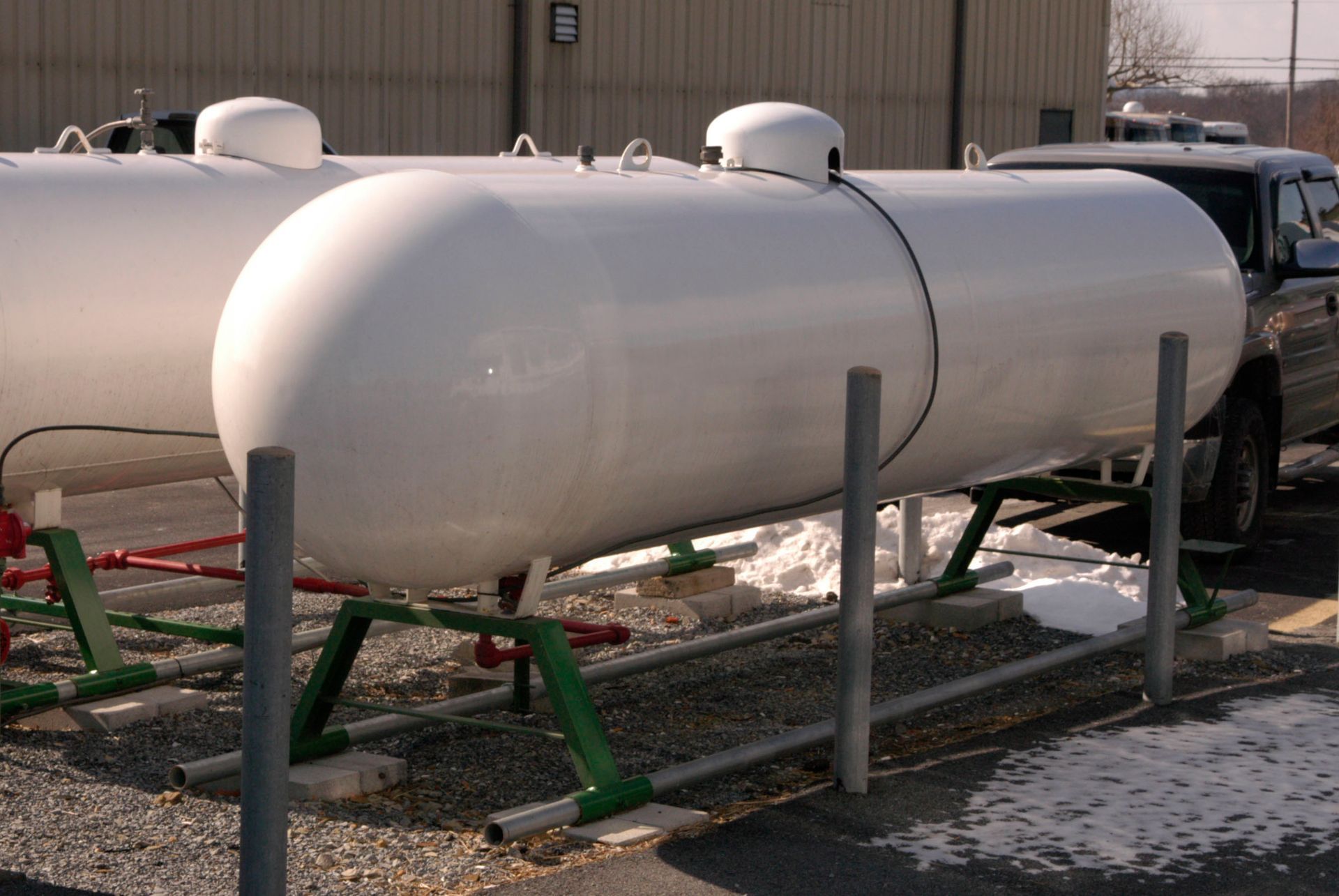
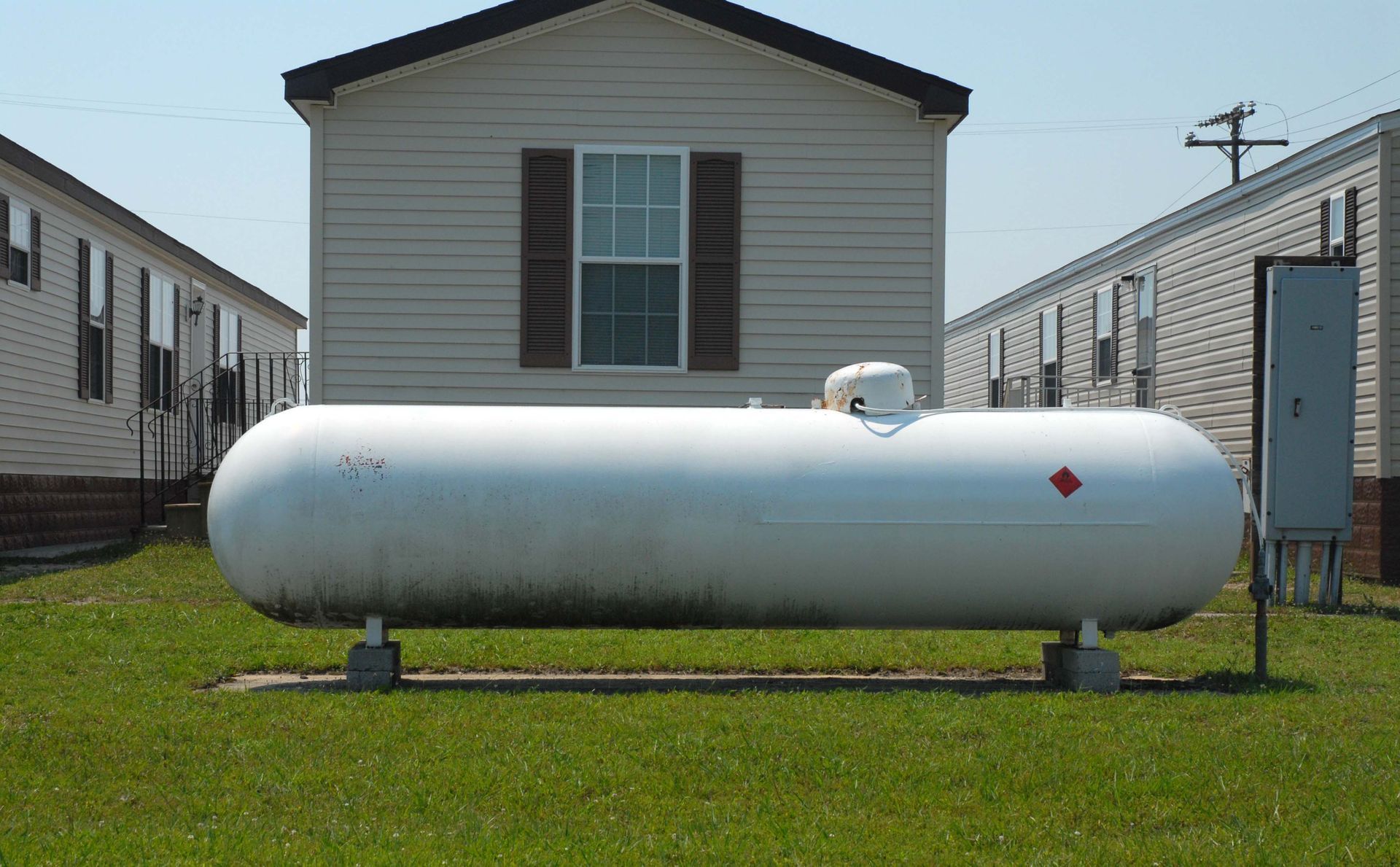
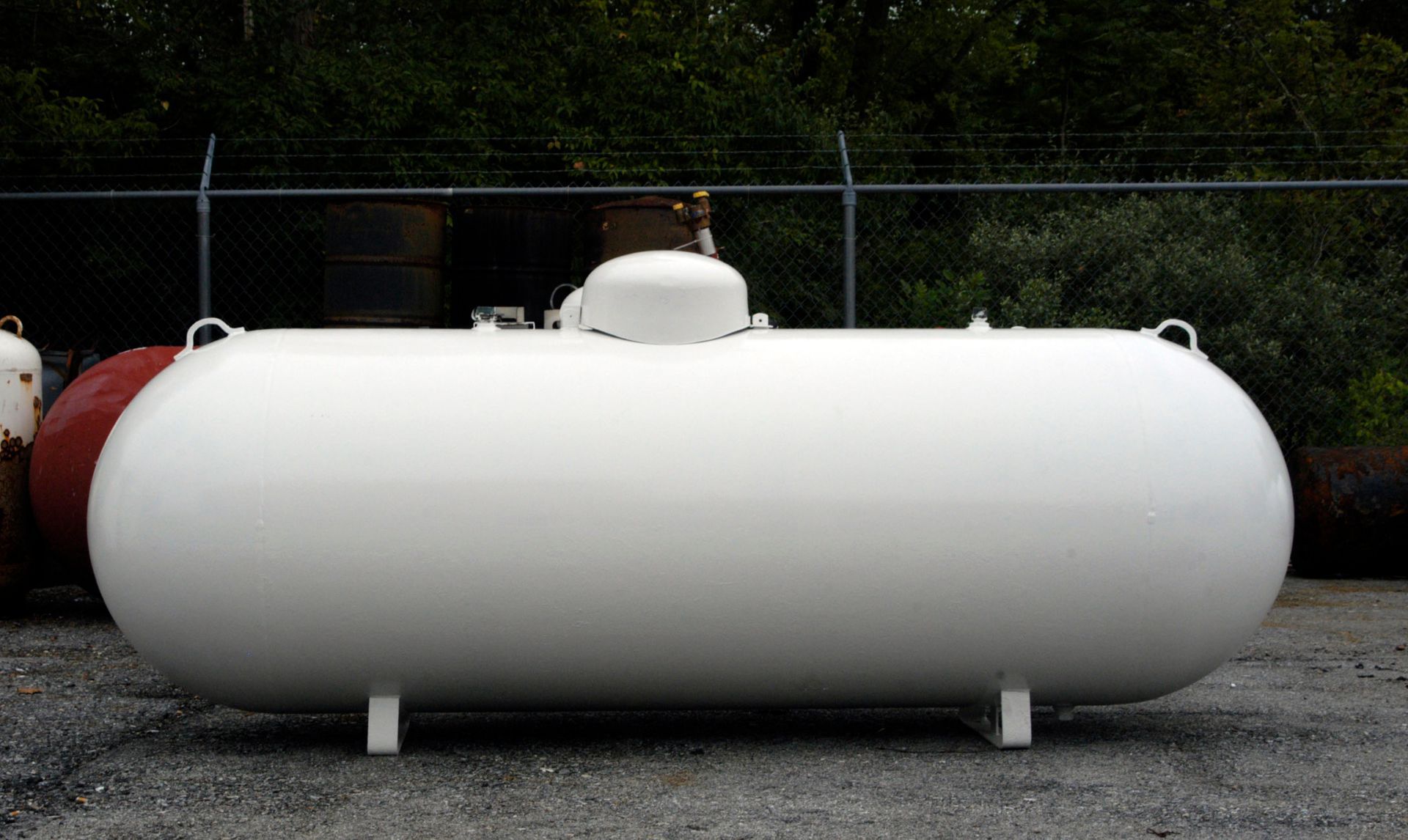
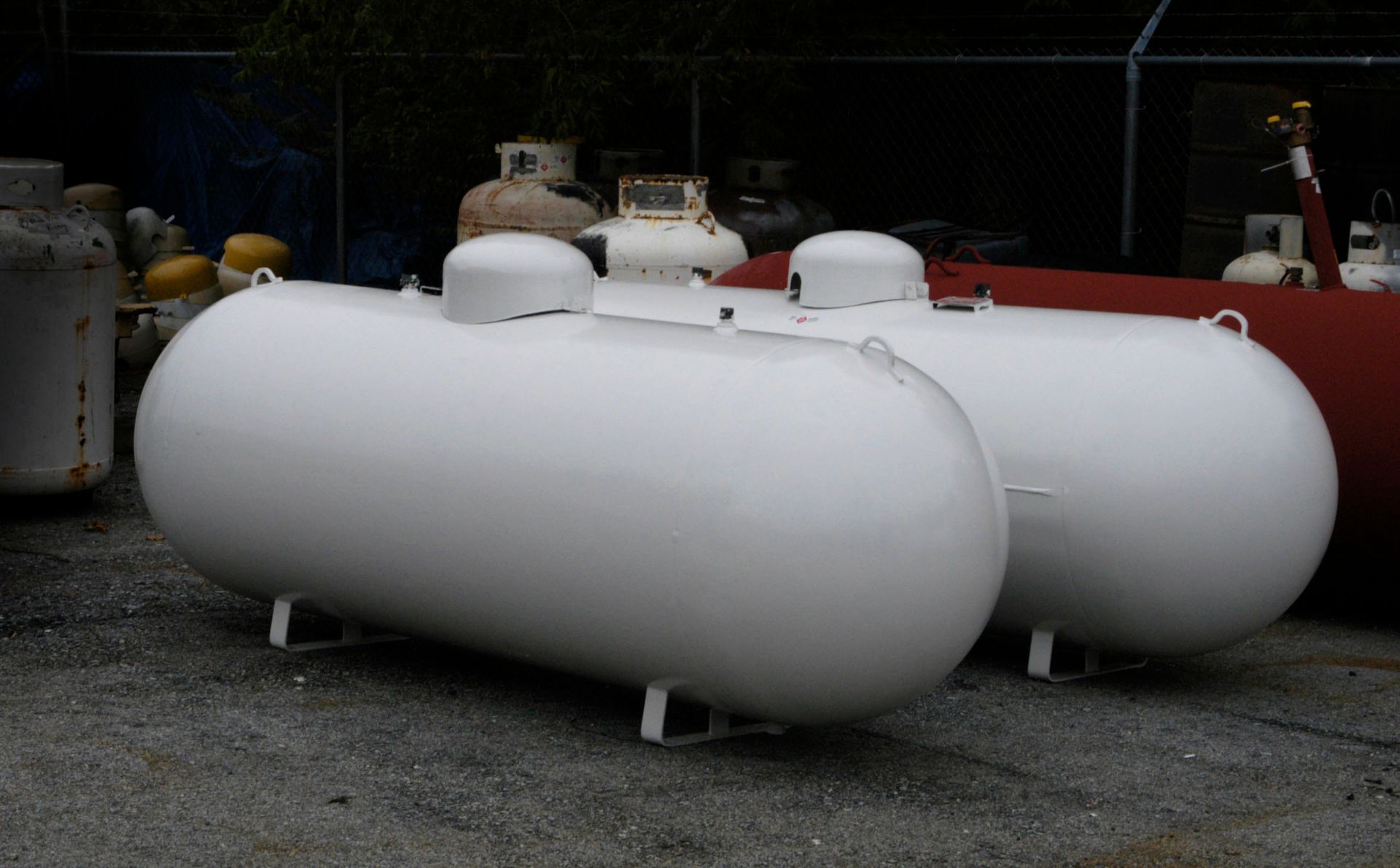
Proper placement of outdoor storage tanks remains essential for maintaining physical safety and complying with municipal fire safety codes. Tanks must sit on elevated, non-combustible concrete pads at specific distance intervals from home foundations, property lines, and potential ignition sources. Distance requirements prevent escaping gas from settling in low-lying basement areas or coming into contact with active electrical equipment. Contracting experienced propane services guarantees that tank installations fulfill strict distance mandates while accommodating easy fuel delivery truck access across seasons. Proper outdoor tank positioning shields storage vessels from accidental vehicular impacts, severe weather erosion, and physical damage over time.
Inspecting Underground Gas Piping With Specialized Tools
Subterranean gas piping routes fuel smoothly from outdoor bulk tanks directly into residential kitchens, laundry rooms, and basement heating systems. Specialized piping materials, including coated copper and flexible polyethylene, resist soil corrosion and physical pressure shifts deep underground. Over time, ground settling, soil acidity, and accidental excavation can compromise buried lines, leading to underground gas leaks. Routine maintenance checks conducted by professional propane services utilize electronic sniffer tools and pressure gauges to verify line integrity without damaging residential lawns. Detecting subtle pressure drops early prevents underground fuel losses, protecting soil purity and keeping fuel delivery lines completely secure.
Maintaining Water Heaters Through Preventative Service
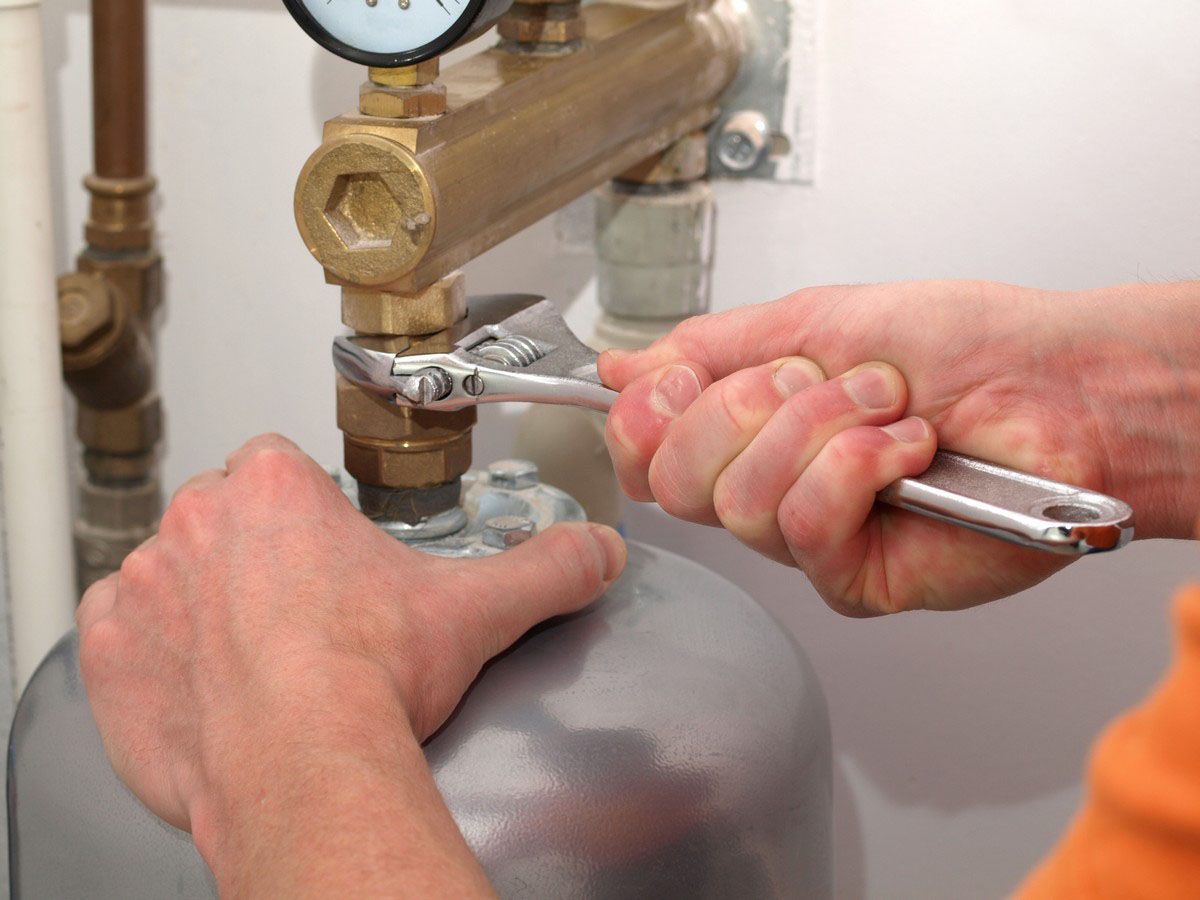
Propane water heaters deliver rapid hot water recovery rates, outperforming standard electric models while consuming less total energy overall. However, neglected burner assemblies and corroded relief valves can compromise system efficiency and introduce operational risks over extended usage periods. Flushed storage tanks prevent sediment buildup, ensuring heat transfers cleanly through tank bottoms without scorching protective metal liners. Subscribing to regular maintenance plans offered by qualified propane services keeps safety relief valves, thermostats, and pilot assemblies functioning within design parameters. Well-maintained water heating systems provide continuous hot water safely, eliminating unexpected equipment breakdowns and costly emergency plumbing repairs.
Operating Outdoor Grills With Essential Precautions
Outdoor grilling represents a popular residential propane application, requiring basic safety habits to prevent accidental flare-ups or cylinder damage. Users should inspect rubber connection hoses for cracking, dry rot, or soapy water bubble formation before lighting burners each season. Keeping grill units at safe distances from wooden decks, vinyl siding, and overhanging tree branches eliminates fire risks during high-heat cooking sessions. Transporting portable cylinders upright inside secure vehicles prevents valve damage and accidental gas venting during refill trips to authorized suppliers. Adhering to fundamental outdoor safety practices ensures enjoyable patio cooking experiences while safeguarding home structures against sudden fire hazards.
Preparing Residential Energy Systems for Extreme Weather
Severe winter storms, high winds, and heavy snowfall present unique physical challenges for residential energy storage and piping infrastructure. Heavy snow accumulation can block appliance exhaust vents, trapping toxic combustion gases inside homes or causing heating equipment to shut down automatically. Homeowners must clear snow and ice carefully from outdoor tanks, regulators, meters, and vent pipes using soft brooms rather than sharp metal shovels. Relying on dependable propane services for pre-winter tank refills ensures adequate fuel reserves during extended power grid outages. Proactive weather preparation maintains continuous indoor heat, prevents frozen water pipes, and protects outdoor equipment from winter storm damage.
Educating Family Members on Emergency Procedures
Creating a clear family emergency plan ensures that every household member knows how to respond effectively if gas leaks occur. All occupants should learn to recognize the distinctive rotten-egg odor of ethyl mercaptan and memorize emergency utility contact numbers. If gas smells become noticeable inside, residents should immediately evacuate the premises without flipping light switches, lighting matches, or operating cell phones indoors. Turning off the main gas supply valve at the outdoor tank stops gas flow completely while waiting for emergency responders. Educating family members on basic safety steps transforms panic into decisive action, ensuring total household safety during unexpected emergency situations.
Selecting Certified Appliance Technicians for Installations
Installing gas-fired appliances requires specialized mechanical skills, precise pressure adjustments, and deep understanding of local building codes to ensure safe operation. DIY installations often result in improper venting, loose pipe connections, or incorrect gas pressure settings that compromise household safety over time. Certified technicians possess specialized testing equipment to measure manifold gas pressures and verify complete combustion before leaving job sites. Utilizing professional propane services for all appliance additions guarantees that fuel connections satisfy rigorous safety criteria and manufacturer warranty guidelines. Expert installation prevents operational malfunctions, ensuring new appliances operate cleanly, efficiently, and safely for many years ahead.
Propane remains a highly secure, incredibly efficient energy source when residential systems are installed and maintained according to professional standards. From advanced tank placement and reliable leak detection to high-efficiency space heating and safe outdoor grilling, modern fuel protocols protect households effectively. Partnering with licensed utility professionals, scheduling annual equipment inspections, and installing functional carbon monoxide detectors provide comprehensive layers of domestic protection. Understanding essential handling guidelines allows families to enjoy clean, cost-effective energy without worrying about unnecessary hazards or unexpected equipment failures. Ultimately, prioritizing proper maintenance ensures that propane remains a safe, highly dependable fuel choice for modern residential properties. Are you seeking out professional propane services in the Creswell, OR area? Lettermen's Propane is ready to assist! Call today for more information.
Share On: